Nordic Socialism: The Path Toward a Democratic Economy by Pelle Dragsted, translated by William Banks, University of Wisconsin Press, 2025.
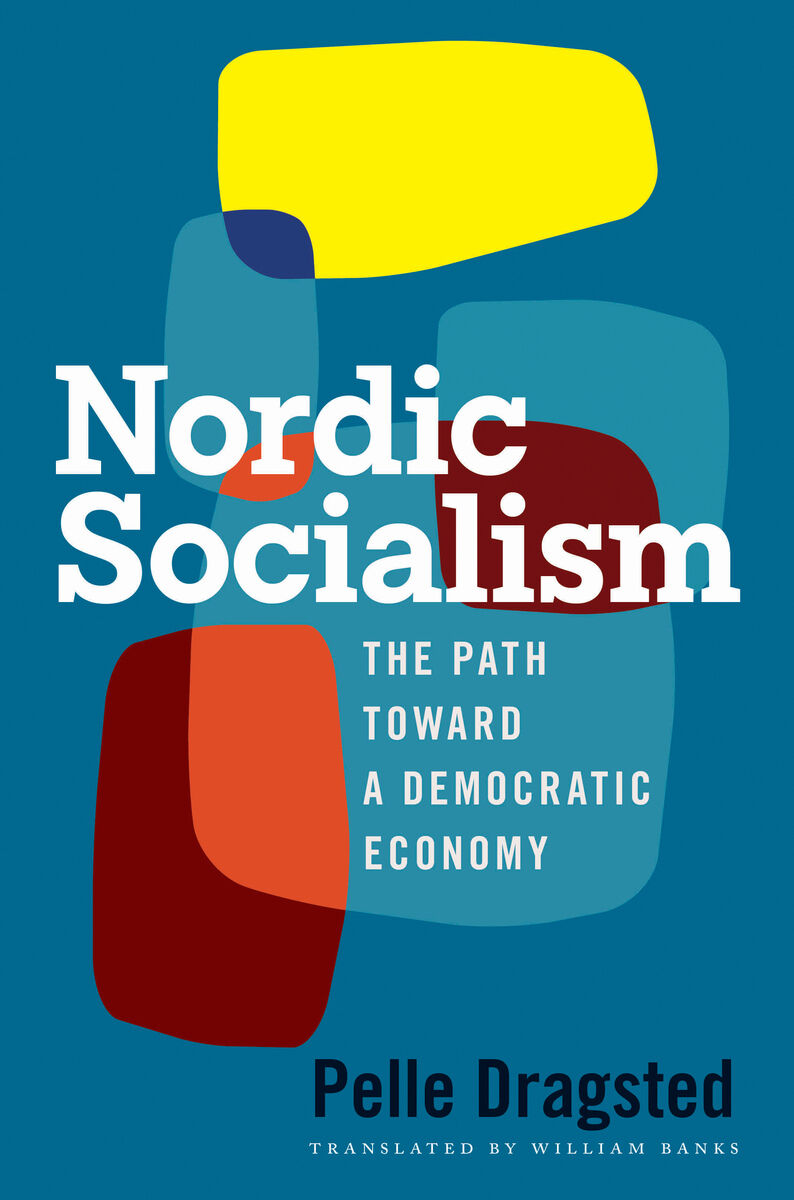
If someone were to ask me now to name a good book on democratic socialism, one that succinctly explained the idea, I would definitely recommend this new work, Nordic Socialism, by Pelle Dragsted. Published originally in Danish in 2021 and published in translation in English last year, this is far-and-away the best short introduction to democratic socialism I have ever read. Pelle Dragsted is a member of the Danish parliament and the political spokesperson for the Red-Green Alliance party in that country, and he has written an introduction to democratic socialism that is brief but also comprehensive and very readable.
While, as the title suggests, its focus is on experiments in economic democracy in Nordic countries, its scope is ultimately international, drawing on examples from around the world. Honestly, I can’t praise this book highly enough. We have long needed a good, short, up-to-date introduction to democratic socialism, and I believe that this is it.
Dragsted’s fundamental premise is that democratic socialism is not some utopian dream located off the future but an economic system that we can see working around us in our daily lives right now. Dragsted argues that all economies are mixed or ‘hybrid’: containing, to different degrees, both capitalist and socialist elements, and so the path toward a more democratic and equal economy is not about making a sudden revolutionary break from capitalism, but rather, about expanding and elaborating on the socialist elements that already exist.
Continue reading